
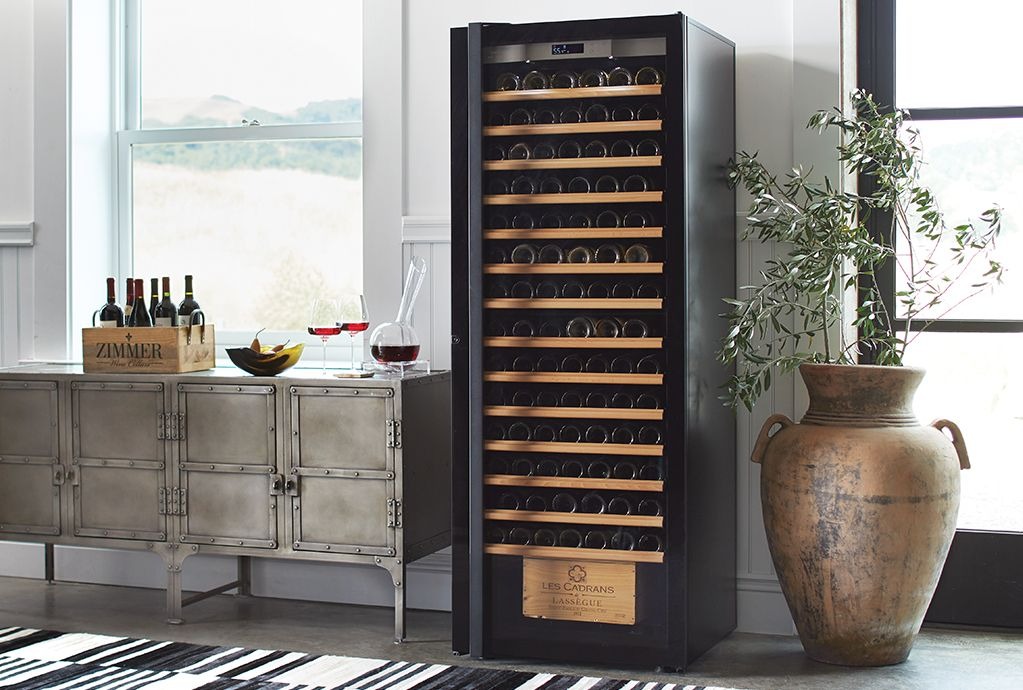
Organizing your bottles inside a wine cooler is essential for maximizing space, preserving the quality of your wines, and making it easier to locate specific bottles when needed. The first step in organizing is to understand the type of wine cooler you have and its capacity. Wine coolers come in various sizes with different shelving configurations, so knowing how many bottles it can hold and whether the shelves are adjustable will help you plan effectively.
Begin by categorizing your wines based on type, such as red, white, sparkling, or rosé. This separation allows you to set different temperature zones if your cooler supports dual-zone cooling. Red wines generally require slightly warmer temperatures than whites or sparkling varieties. Placing them accordingly ensures each bottle maintains optimal conditions for aging or immediate consumption.
Next, consider arranging bottles horizontally rather than vertically. Storing wine on its side keeps the cork moist by maintaining contact with the liquid inside the bottle. This prevents air from entering and spoiling the Wine Cooler coolers come with racks designed specifically for horizontal storage; use these racks properly to avoid any damage or unnecessary movement of bottles.
Within each category, organize further by varietal or region if desired. For example, group all Cabernet Sauvignons together separately from Pinot Noirs within your red section. Such organization simplifies finding a specific bottle without disturbing others unnecessarily during retrieval.
Labeling sections or shelves can enhance this system even more effectively if your collection grows large enough to become unwieldy visually. Use small tags or removable stickers that won’t leave residue but clearly mark where certain types are stored.
Temperature consistency throughout the cooler plays a crucial role in proper organization as well because frequent opening disrupts internal climate control causing temperature fluctuations harmful to delicate wines. Try placing frequently accessed bottles near the front while reserving less often used ones towards back areas deeper inside.
If you store older vintages alongside newer releases within one unit, position older vintages at eye level for easy monitoring since they may require closer attention regarding consumption timelines compared to younger wines intended for longer aging periods.
Finally, avoid overcrowding shelves which restrict airflow around each bottle leading potentially to uneven cooling and increased risk of spoilage due to heat pockets forming inside compartments where ventilation is limited.
By thoughtfully grouping similar wines together according to their storage needs while utilizing available space efficiently through horizontal placement and clear labeling strategies combined with mindful access patterns reflecting usage frequency ensures that your wine collection remains organized and preserved optimally within your cooler environment at all times.