

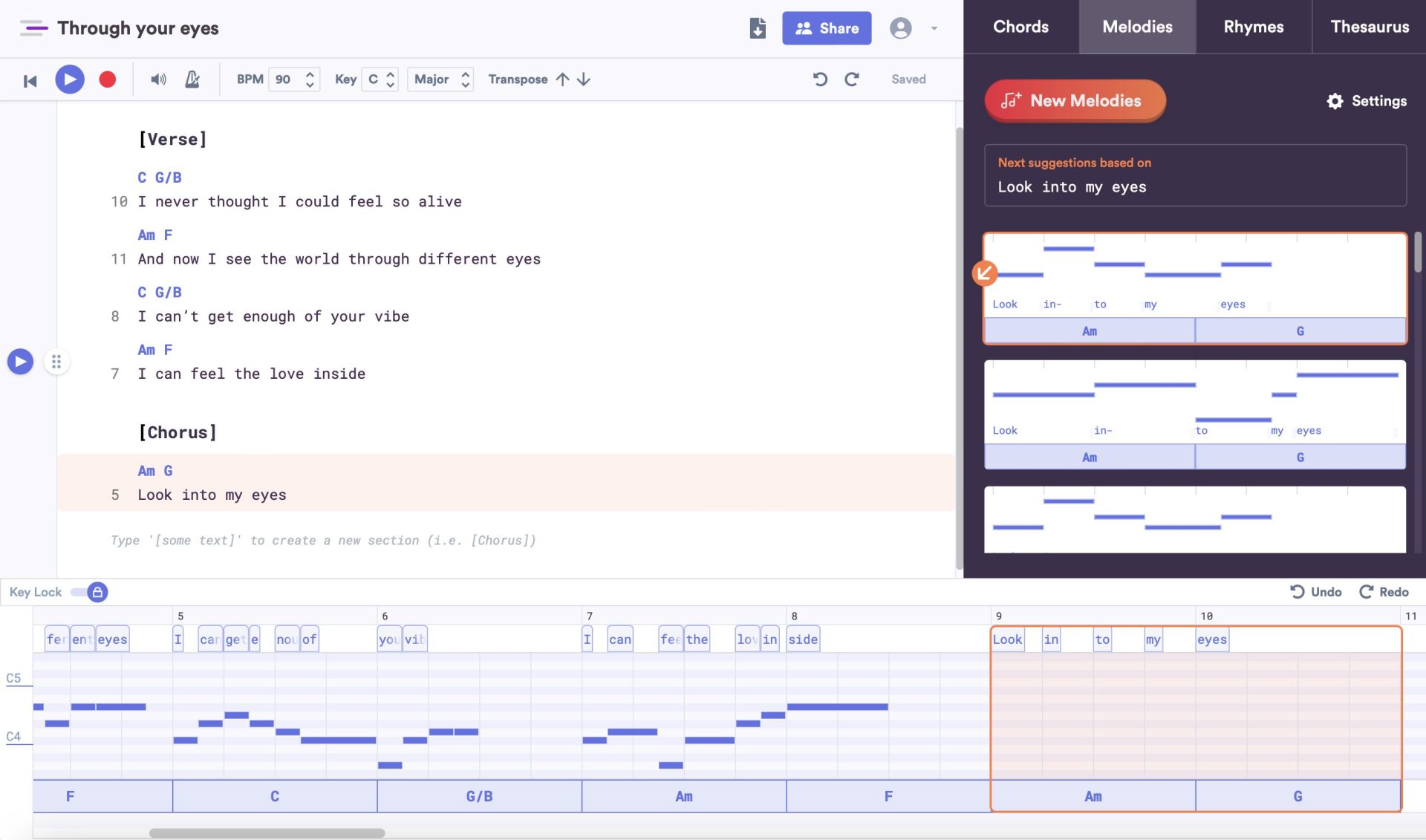
In today’s rapidly evolving technological landscape, the fusion of artificial intelligence and music creation has opened new horizons for artists, producers, and enthusiasts alike. Creating professional-sounding songs no longer requires years of formal training or access to expensive studio equipment. With AI music makers, anyone can compose high-quality tracks that resonate with emotion and complexity. These innovative tools leverage advanced algorithms to analyze vast datasets of musical patterns, styles, and genres, enabling users to generate melodies, harmonies, rhythms, and even lyrics with remarkable ease.
AI music makers function by understanding the fundamental elements that make a song appealing-such as chord progressions, tempo variations, instrumental arrangements, and dynamic changes-and then applying this knowledge in real-time composition. This allows creators to experiment freely without being hindered by technical limitations or lack of experience. By inputting simple parameters like mood (happy, melancholic), genre (pop, jazz), or instrumentation preferences (piano-driven ballad or electronic dance beat), users receive instant suggestions or full compositions tailored to their vision.
One significant advantage of using an AI music maker is its ability to inspire creativity while reducing repetitive tasks. Instead of spending hours laboring over basic structures or searching for compatible sounds manually, musicians can focus on refining their unique style and expression. The AI acts as a collaborative partner rather than a replacement-offering fresh ideas that may never have been considered otherwise. This synergy between human intuition and machine precision often results in richer musical textures that captivate listeners.
Moreover, these platforms are designed with user-friendly interfaces suitable for beginners yet powerful enough for professionals seeking efficiency during production cycles. Features such as drag-and-drop editing boards allow easy customization after initial generation; users can tweak beats per minute (BPM), swap instruments out for alternatives like strings or synths, adjust volume levels across tracks individually-or add vocal lines generated through text-to-singing technology integrated within some systems.
The democratization effect brought about by AI music makers cannot be overstated: independent artists from remote locations now have access to tools previously reserved only for well-funded studios. This shift encourages diversity in soundscapes worldwide since more voices contribute distinct cultural influences into mainstream media channels.
However impressive these technologies are at creating polished outputs quickly does not diminish the importance of human artistry altogether-it enhances it instead by handling routine groundwork so creators may pour greater emotional depth into lyrics delivery or live performance nuances later down the line.
In conclusion, utilizing an AI music maker empowers individuals at all skill levels to produce professional-sounding songs efficiently while fostering innovation within the creative process itself. As these intelligent systems continue evolving alongside human imagination’s boundless potential,the future promises increasingly vibrant collaborations between man and machine in shaping the soundtrack of tomorrow’s world.