
A while back, I stumbled upon a fascinating article about vinyl siding that sparked my curiosity to delve deeper into the topic. The piece, found on https://aggressivepanhandler.com, provided a useful reference on the various aspects of vinyl siding, from its benefits to its limitations. As I pondered over the information, I felt compelled to share my own perspective on what is vinyl siding, its pros and cons, and how it compares to other options like board and batten siding.
What is Vinyl Siding?
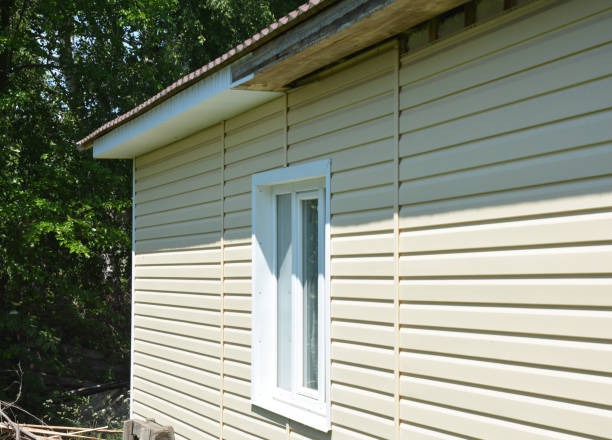
Vinyl siding is a popular choice for homeowners looking to revamp their exterior without breaking the bank. Made primarily from PVC resin, this material is designed to withstand the elements while providing an aesthetically pleasing finish. It comes in various colors and textures, which allows homeowners to customize their look without the need for paint or regular maintenance.
Benefits of Vinyl Siding
One of the most significant benefits of vinyl siding is its affordability. Compared to other siding materials such as wood or brick, vinyl is relatively inexpensive. This cost-effectiveness doesn’t mean you’re sacrificing quality, as vinyl is known for its durability and low maintenance requirements. It’s also resistant to rot, pests, and the effects of harsh weather conditions, making it a long-lasting choice for many.
Another advantage is its energy efficiency. Vinyl siding can be insulated to help reduce heating and cooling costs, which is a big plus for environmentally conscious homeowners. Additionally, the ease of installation makes it a go-to option for those who like to tackle home improvement projects themselves.
Pros and Cons of Vinyl Siding
Despite its many advantages, there are some drawbacks to consider. One of the cons of vinyl siding is its susceptibility to extreme temperatures. In very hot climates, it can warp or fade, while in extremely cold conditions, it may become brittle and crack. Additionally, while the color options are vast, once chosen, they are permanent unless replaced, as vinyl siding cannot be painted.
Moreover, while it’s generally low maintenance, if a section becomes damaged, it can be challenging to replace just one piece without affecting the surrounding areas. This can sometimes lead to a patchy appearance if not done correctly.
Pros and Cons of Board and Batten Siding
When comparing vinyl siding to alternatives like board and batten siding, there are distinct differences. Board and batten, a style that offers a rustic, timeless look, is traditionally made from wood but is now available in vinyl as well. The pros of this style include its unique vertical design and ability to add character to a home’s exterior.
However, the cons include the potential for higher maintenance, especially if choosing the wood option, as well as a generally higher initial cost. Vinyl versions of board and batten can alleviate some of these issues but may not fully capture the authentic look some homeowners desire.
What to Keep in Mind Next
In deciding whether vinyl siding is the right choice for your home, it’s crucial to weigh the pros and cons of vinyl siding against your specific needs and climate conditions. Consider the long-term costs, maintenance requirements, and the aesthetic you wish to achieve. Each siding option has its unique set of benefits and potential drawbacks, so take the time to evaluate them carefully. Whether you lean towards vinyl or are intrigued by board and batten siding, informed decisions will ensure your home remains beautiful and protected for years to come.