
Cannabis detector technology has emerged as a pivotal tool in the ongoing efforts to regulate and monitor cannabis use, both for legal compliance and safety purposes. As cannabis legalization continues to spread across various regions, the need for effective detection methods becomes increasingly important. This technology encompasses a range of devices and systems designed to identify the presence of cannabis or its metabolites in various environments.
At the core of cannabis detector technology are sophisticated sensors capable of detecting specific chemical compounds associated with cannabis. These include terpenes, cannabinoids like THC (tetrahydrocannabinol), and other volatile organic compounds released by the plant. The most common types of detectors involve either portable handheld devices or stationary units installed in strategic locations such as airports, schools, workplaces, or public venues.
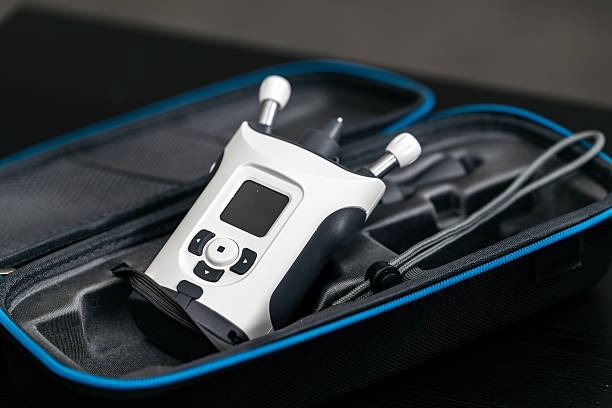
One prevalent application of this technology is law enforcement. Police officers utilize portable détecteur de cannabis detectors during traffic stops to determine if drivers are under the influence. Unlike traditional methods that rely on subjective assessments or time-consuming blood tests, these devices provide immediate results by analyzing breath samples for traces of THC. This enhances road safety by allowing officers to make informed decisions quickly.
Another significant use case is workplace safety. Employers can implement cannabis detection systems to ensure employees comply with company policies regarding substance use. By using non-invasive testing methods like saliva swabs or breathalyzers, employers can maintain a safe working environment without infringing on personal privacy more than necessary.
In educational settings, schools may deploy stationary detectors at entrances or within facilities to discourage students from bringing cannabis onto campus grounds. These systems act as deterrents while also providing administrators with data about potential incidents that might require intervention.
Airports represent another critical area where cannabis detector technology plays an essential role. With varying laws governing possession and transport between states and countries, airport security personnel must effectively identify travelers carrying illegal quantities of marijuana products through checkpoints without causing unnecessary delays.
Beyond these practical applications lies an emerging field focused on agricultural optimization within legal markets themselves—cannabis cultivation facilities benefit from environmental monitoring technologies that detect airborne compounds indicative not only of plant health but also potential contamination issues affecting crop quality before harvest time arrives!
The future holds great promise for advancements within this sector too! Researchers continue developing new approaches aimed at increasing accuracy levels while minimizing costs associated with implementation processes involved—all geared towards ensuring safer communities worldwide regardless whether you’re talking recreational medicinal purposes alike!
Overall though it remains clear: Cannabis Detector Technology offers invaluable assistance when addressing challenges posed amidst ever-evolving landscape surrounding global acceptance regulation thereof; thus making sure everyone stays informed compliant throughout journey ahead together responsibly so we all reap benefits responsibly safely alike!